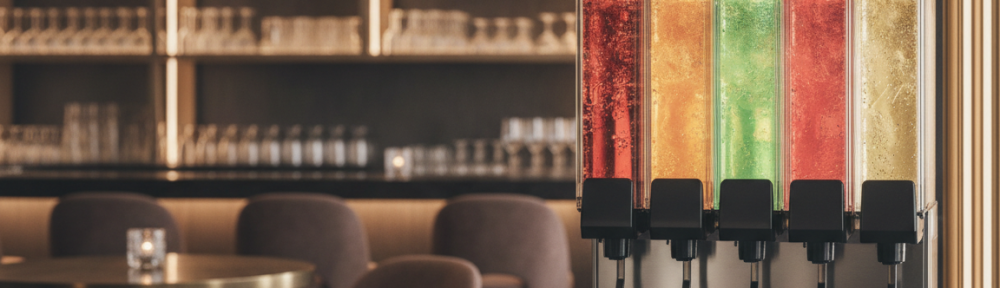
In upscale restaurants, busy bars, and classic diners, the foundation to serving consistent, ice-cold drinks lies in the right equipment. A Bar Soft Drink Dispenser or Bar Soda Dispenser speeds up service, cuts wait times, and allows staff to focus on guests. This is instead of constantly restocking bottles and cans.
Soda Gun Parts
Pairing a Bar Soda Machine with bag-in-box BIB syrups can provide strong savings in both cost and storage space. Five-gallon BIB containers run through tubing into a Soda Dispenser For Bar or Bar Gun Dispenser. As syrup is dispensed, the bag shrinks, minimizing waste and ensuring every last drop is used.
Using a Soda Gun For Bar with compact dispensing equipment can reduce the cost per ounce compared with bottled or canned beverages. This approach leads to fewer deliveries and less packaging. It also protects storage space and minimizes clutter in cramped kitchens, service stations, and busy bar areas.
This guide breaks down mounting styles, cooling options, carbonation choices, syrup compatibility, sanitation, maintenance, troubleshooting, installation basics, and cost considerations. It also highlights reliable suppliers such as Installation Parts Supply for sourcing parts and building an efficient dispenser setup.
Why A Soda Dispenser Makes Sense For Bars And Restaurants
Introducing a Soda Gun System can noticeably increase service efficiency. It eliminates the need for staff to fetch bottles or cans, saving time. By mounting the Bar Soda Gun System behind the bar, bartenders can prepare more drinks with fewer steps.
For high-traffic venues, a Soda Gun Bar setup is extremely useful. It keeps counters uncluttered and lines moving swiftly. Proper training on each Bar Dispenser Gun helps create consistent drink quality and portion control. This leads to faster service and reduced wait times during busy periods.
Switching to bag-in-box syrups can lead to substantial cost savings over bottled sodas. One BIB may supply up to five gallons, which cuts cost per ounce and reduces purchase frequency. Combining BIBs with a Soda Gun System and an organized rack streamlines replacements and minimizes downtime.
Using BIB syrups and CO2 cylinders can also cut down packaging waste and storage demands. A Bar Soda Gun System makes possible compact storage for syrup boxes, cylinders, and related parts. Full-squeeze racks and gravity-feed setups maximize product extraction, reducing waste.
Opting for the right Bar Dispenser Gun and completing the Soda Gun Setup with the correct components increases long-term efficiency. The result is a more efficient workspace, fewer deliveries, less waste, and stronger alignment with sustainability goals for bars and restaurants.
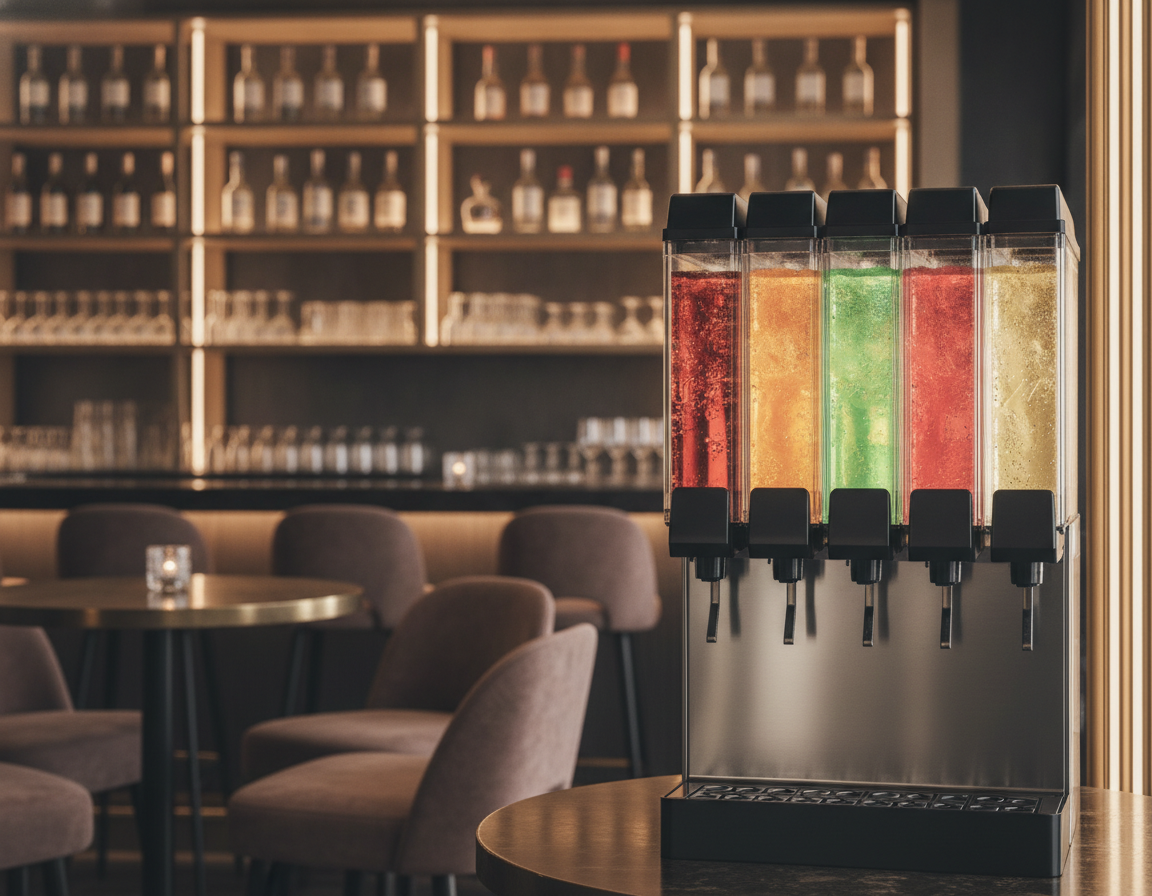
Understanding Bar Soft Drink Dispenser
Choosing the right equipment begins by understanding how it works. A Bar Soft Drink Dispenser mixes carbonated water and flavored syrup to create consistent beverages. The system typically uses dispensing valves, syrup lines, CO2 supply, and a carbonator. A cooling system, like an ice bank or direct refrigeration, is also essential.
Syrup delivery usually uses bag-in-box containers connected by tubing. The nozzle style must fit the BIB connector, and adapters are sometimes required. Valves can be push-button or lever styles, and the addition of lighting and graphics can improve the dispenser’s appeal.
What each unit is best for
A Soda Fountain is a installed unit with multiple valves and integrated cooling. It is perfect for high-throughput stations. On the other hand, a Soda Gun is a handheld dispenser ideal for bartenders. The Soda Siphon, once used to carbonate water, is now mostly less common.
Installation requirements vary from unit to unit. A Soda Fountain needs countertop or cabinet space and proper cooling. A Soda Gun depends on organized tubing and easy cleaning access. The Soda Siphon, while compact, lacks the volume and control of modern systems.
Different foodservice venues use dispenser styles in different ways. Bars gain from Soda Guns for quick drink preparation. Restaurants and fast-food outlets prefer Soda Fountains for self-serve lanes. Diners and convenience stores often install countertop units with ice bins for efficient service. Mobile vendors and food trucks often choose compact, portable dispensers for flexibility.
Types And Mounting Styles Of Soda Machines
Selecting the right soda equipment supports smooth service and a better guest experience. Models vary by size, installation requirements, and mobility. Below, the common options are outlined with practical guidance for choosing the best setup.
Countertop Soda Machines: Portability And Use Cases
Countertop Soda Machines sit on existing surfaces and plug in easily. They are well suited for small cafes, food trucks, and pop-up events. Their portability makes them especially practical for temporary or flexible operations.
These machines are simple to clean and move around during busy times. They can also be practical for home use, events, or seasonal beverage programs.
Drop-In Soda Machines: Integrated Look For Premium Venues
Drop-in Soda Machines typically require a counter cutout and secure installation. They deliver a flush, professional look, perfect for fine dining and high-volume venues.
They often come with under-counter racks for bag-in-box syrup and external carbonators. For a seamless service station and large ice capacity, a drop-in is the best choice.
When To Choose A Bar Gun Versus A Built-In Fountain
Bar Gun Soda systems are ideal when space is tight or staff need a handheld tool for mixed drinks. They dispense multiple beverages from one point, speeding up craft cocktail service.
Built-in fountains are well suited for self-serve areas or front-of-house rows where many guests pour drinks. Choose a fountain for multiple valves, flavor shots, and a polished fixture that blends with the bar.
| Feature | Countertop Soda Machine | Built-In Soda Machine | Bar Gun Soda |
|---|---|---|---|
| Setup | Simple plug-in setup with no counter cutting | Built-in installation with counter modification | Mounted gun holster with tubing connection |
| Movement | High, because it is easy to relocate | Low — permanent fixture | Moderate — handheld but tethered to lines |
| Best use cases | Small cafes, pop-ups, and food trucks | High-end bars, restaurants, permanent service stations | Fast drink service in tight bartender stations |
| Compatibility with home use | Can work well for Soda Gun For Home-style setups | Usually uncommon for residential use | Soda Gun System For Home options available for hobbyists |
| Maintenance | Easy to reach for cleaning and changes | Requires service access below the counter | Needs daily cleaning and tubing checks |
Key Features To Evaluate: Valves, Ice, Carbonation, And Cooling
Selecting the correct hardware is necessary for beverage quality, service speed, and maintenance demands. It is important to understand how Dispensing Valves, cooling style, and carbonation work together. Small differences in a Soda Gun Nozzle or Cold Plate For Soda Gun can influence daily performance, cleaning needs, and reliability.
Dispensing valves come in two main styles. Push-button valves provide consistent portions and are useful for self-serve stations. Lever valves, on the other hand, provide more control over flow and are easier to clean, benefiting bartenders.
When planning valve counts, consider your menu. Additional valves allow more soda flavors, flavor shots, and menu flexibility. It is also important to match the nozzle style to the syrup and supply system. Twist-lock and o-ring Soda Gun Nozzle designs require different Soda Gun Parts for upkeep and replacement.
Ice setup is key to cooling and service flow. Top-mounted ice bins provide quick access and can add passive cooling for beverage lines. Drop-in ice bins below the counter can reduce contamination risk while keeping ice close for staff.
Keep ice bins covered or closed whenever they are not being used. Use dedicated scoops and avoid storing items inside bins to reduce warm or flat drinks. An Ice Bank can extend cooling capacity, but it requires steady ice supply and checks for bridging.
Carbonation setup affects system capacity, drink quality, and maintenance needs. Internal Carbonator units fit smaller footprints and are suitable for moderate-volume operations. External Carbonator systems handle higher demand and can make repairs simpler when parts need service.
Set CO2 pressure carefully and follow tank maintenance schedules. Proper regulator settings preserve consistent fizz and reduce complaints about flat beverages.
Cooling choices include ice bank cooling, cold plate cooling, and direct refrigeration. Ice bank cooling is efficient and relatively simple to service. Cold plate cooling chills liquids quickly as they pass, making a Cold Plate For Soda Gun ideal for busy bars. Direct refrigeration uses compressor-based cooling for more precise temperature control in larger systems.
| Feature | Ideal For | Pros | Drawbacks |
|---|---|---|---|
| Push-button beverage valves | Guest-facing pour stations | Fast pours and better portion consistency | Less flexible for craft drink service |
| Lever-style valves | Staff-controlled beverage service | Better flow control and simpler cleaning | Needs staff training for consistent pours |
| Countertop ice bin | Fast ice access and self-serve areas | Added passive cooling, visible supply | Higher contamination risk without care |
| Under-counter ice bin | Back-of-house, staff use | Lower guest contact and better hygiene | Requires cabinet or counter space |
| Ice reservoir cooling | Energy-conscious operations | Efficient, simple tech | Requires steady ice management |
| Cold Plate For Soda Gun | High-volume bars | Rapid cooling, compact | Higher initial cost, needs proper fittings |
| Direct Refrigeration | Large systems, varied temps | Accurate temperature control and dependable cooling | Higher complexity and service requirements |
| Internal Carbonator | Compact installs | Compact and built into the system | Limited capacity for peak hours |
| Remote carbonator unit | Busy restaurants and bars | Better for peak demand and repairs | Requires additional space |
| Soda gun nozzle and repair parts | Soda gun systems of all types | Modular replacement, varied styles | Must be matched correctly to avoid leaks |
Syrup Systems, Compatibility, And Setup Best Practices
Choosing the correct syrup system is critical for drink quality, service speed, and operating efficiency. Bag-in-Box Syrup offers large servings with less waste and a wide range of flavors. This includes everything from cola to iced tea and unique craft blends. Proper installation and calibration are necessary for consistent flavor and lower waste during peak service.
Using a structured Soda Gun Setup helps prevent leaks, off-tastes, poor flow, and flavor inconsistency. Start with the correct branded fittings, because Coca-Cola® and similar systems may require specific nozzles or connectors. When using third-party syrups, a BIB Adapter may be needed to make the syrup package compatible with the existing connector.
Bag-In-Box Advantages And Flavor Options
Bag-in-Box Syrup is commonly supplied in five-gallon bags that fit standard racks. This format reduces packaging cost, lowers storage demand, and supports a wide variety of flavors. Offering popular choices such as cola and lemonade, plus specialty concentrates, can increase add-on sales and menu variety.
Connecting Syrups: Nozzle Fit And Adapter Needs
Confirm Syrup Compatibility before buying syrups, connectors, or replacement parts. A mismatched Soda Gun Nozzle can cause drips or poor flow. If brands differ, a BIB Adapter is needed. Use a dedicated rack and complete installation kit to keep pressure stable and tubing organized.
Ratio Calibration And Cross-Contamination Prevention
Set water-to-syrup ratios according to manufacturer guidelines, often 5:1 but varying by brand. Test by pouring sample servings and adjust until the taste meets expectations. Regular ratio checks help maintain consistent flavor during long shifts and busy service periods.
Whenever possible, dedicate each line to one flavor to reduce cross-contamination. Flavor residues can cling to tubing, affecting later batches. If a line must be changed, flush it with water and draw a 24-oz serving to clear residue before normal service resumes.
| Service Task | Importance | Recommended step |
|---|---|---|
| Confirm nozzle compatibility | Helps prevent poor pours and syrup leaks | Match Soda Gun Nozzle to brand or add BIB Adapter |
| Set up the rack and kit properly | Helps keep lines neat and pressure stable | Install a full kit with hoses, clamps, and regulators |
| Adjust syrup ratio | Affects flavor balance and customer satisfaction | Set to manufacturer ratio, taste test, and re-check weekly |
| Control flavor contamination | Preserves pure flavors and prevents off-tastes | Use dedicated lines or flush thoroughly and draw a test pour |
| Routine servicing | Extends system life and maintains flow quality | Schedule technician inspections and replace worn fittings |
Bar Soda Gun Parts, Sanitation, And Maintenance
A clean, well-serviced bar soda gun helps deliver fast service and consistent drinks. This section outlines major components, daily cleaning, common faults, and practical fixes. It also explains where to find reliable Soda Gun Parts for quick repairs.
Key soda gun components
The main components include the Bar Gun Nozzle, manifold, tubing, protective sheathing, Bar Gun Holster, and Cold Plate For Soda Gun. Nozzles are either twist-lock or o-ring types. Tubing and connectors connect to BIB syrup and CO2 lines. Insulated lines running from the cold plate to the manifold help keep drinks cold.
Daily and weekly cleaning routines
Start by washing your hands. Remove the Bar Gun Nozzle and soak it with the connectors in an approved sanitizer such as Kay-5® or a chlorine solution. Clean the holster, sheathing, and exterior surfaces. Dry parts on a clean cloth before reassembling.
Empty and sanitize the ice bin, and always use dedicated ice scoops. Refill the bin with fresh cubed ice. After reassembly, wait 15–20 minutes and briefly run soda water through the system. Taste each beverage to confirm quality before service. Do not use the gun handle to break ice, and never store tools, bottles, or other items in the ice bin.
Troubleshooting common issues
Warm or flat drinks often indicate low ice, CO2 pressure problems, water-filter issues, or damaged line insulation. If the system has not dispensed for 30 minutes, draw and discard a 24-oz soda before serving.
An off-taste or odor suggests missed cleaning, contaminated ice, expired water filters, or liquid in underground chases. Overly sugary or watered-down flavor may result from empty BIBs, incorrect CO2 regulator settings, or syrup ratios. Have a technician check the system if ratio problems continue.
Noisy carbonators may be dry or have low inlet water pressure. Check water supply and filter cartridges. Leaks or loose nozzles often result from improper reinstall or worn seals. Identify the nozzle type, then soak stubborn seals in sanitizer to help loosen them safely.
Sourcing soda gun parts and supplies
Major beverage manufacturers like Coca-Cola® provide replacement parts and tech support for branded systems. Independent suppliers offer common spares such as valve bodies, nozzle assemblies, thermometers, sanitary drip cups, and regulators.
Installation Parts Supply is a practical source for fittings, hoses, clamps, Cold Plate For Soda Gun units, and plumbing items. Keeping a small inventory of critical Soda Gun Parts and labeled connectors can simplify repairs and reduce downtime.
Choosing The Right Soda System: Cost, Customization, And Installation
When choosing a soda setup, begin with a clear budget and a practical list of priorities. The Commercial Bar Soda Gun System Cost is affected by the unit style, number of valves, and whether it has an internal or external carbonator. The cost also goes up with advanced cooling options like direct refrigeration or a cold plate. Complex drop-in installations further add to the expense.
Consider additional items that increase the Soda Gun Machine Cost. CO2 tanks, regulators, piping, adapters for specific BIB connectors, and labor for cut-in installations all contribute. Remember to include ongoing expenses for BIB syrups, sanitizer, spare nozzles, and preventive maintenance in your budget for a Bar Soda Gun System.
Customization can improve guest satisfaction and help increase beverage sales. Adding flavor shots or additional valves lets staff create signature drinks and upsell premium beverages. Visual upgrades such as LED lighting, branded graphics, and recipe displays can attract attention and promote seasonal drinks.
Branded cups, straw dispensers, and dispenser wraps can create a unified beverage station appearance. Use graphics that match your hospitality brand to improve recognition and encourage repeat purchases.
Plan the installation with a clear kit in mind. A proper setup uses a slanted BIB holding rack, pressure regulators, clamps, suitable hoses and fittings, and cold plates for bar gun setups. Include adapters for common BIB connectors to ensure compatibility and reduce leak risks.
Professional installation is recommended for drop-in units and systems using external carbonators. Countertop models and many Bar Gun Dispenser setups can be assembled by trained staff or an experienced technician. Reserve space for CO2 tanks and ensure easy access for routine checks and maintenance.
When sourcing parts, choose specialists that carry fittings, cold plates, hoses, clamps, and full installation kits. Installation Parts Supply provides many of these items, saving time when matching components to a specific Soda Gun Dispenser or Bar Gun Dispenser configuration.
Keep manufacturer resources from brands such as Coca-Cola Solutions available for cleaning guides, troubleshooting charts, and service contacts. These resources can speed up start-up and minimize downtime in case of taste or flow issues with a Soda Gun System.
Bar Soft Drink Dispenser Summary
Choosing the right Bar Soft Drink Dispenser is important for speed of service and beverage margins. A well-chosen Bar Soda Gun System, paired with bag-in-box syrups, lowers product cost. It also cuts packaging waste and boosts menu flexibility for cocktails and nonalcoholic drinks.
Before buying, compare dispensing valves, ice setup, cooling method, carbonator capacity, and BIB compatibility. Routine work such as ratio calibration, sanitation, cleaning, and maintenance helps maintain consistent flavor and carbonation. These steps are important for the long-term performance and life of a Soda Dispenser Gun.
Remember, there are ongoing costs like CO2, syrup, sanitizer, replacement nozzles, and parts. Rely on reputable suppliers and manufacturer support lines for parts and installation kits. With the right Bar Soda Dispenser and a solid maintenance plan, bars and restaurants can offer faster service, a wider drink menu, and increased profitability from their beverage offerings.
Related: Choosing The Best Soda Dispenser Gun For Outdoor Bars